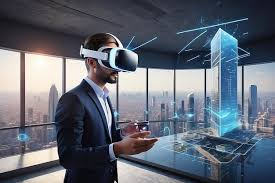
In today’s fast-paced and ever-evolving business landscape, effective leadership is more crucial than ever. Leaders are expected to navigate complex challenges, adapt to rapid technological changes, and inspire their teams to achieve great results. One of the most promising developments in leadership training is the integration of Virtual Reality (VR) tools. These immersive experiences offer innovative ways to develop essential management skills and prepare leaders for real-world challenges. In this article, we will explore how VR tools are revolutionizing leadership development and providing next-level training solutions.

The Power of Virtual Reality in Leadership Training
Virtual Reality is transforming various sectors, and leadership training is no exception. VR creates an immersive experience that allows leaders to engage in realistic scenarios and practice their skills in a safe, controlled environment. This technology enables a level of engagement and retention that traditional training methods often fail to achieve.
Enhancing Skills Training with VR
Skills training is a critical component of leadership development. VR provides a platform where leaders can hone their abilities through realistic simulations. For example, a VR leadership simulation can place participants in challenging situations that require quick decision-making, effective communication, and strategic thinking. These simulations help leaders develop critical skills without the risk of real-world consequences.
A Technology Platform for Innovation
The use of VR in leadership training represents a significant leap in educational technology. This technology platform allows for the virtualization of various training modules, making them accessible and scalable. Companies can deploy VR training programs across multiple locations, ensuring consistency in leadership development efforts. Moreover, VR can be customized to address specific organizational needs, making it a versatile tool for training innovation.
Directives and Decision-Making
One of the key benefits of VR in leadership training is its ability to simulate high-pressure environments. Leaders often need to make quick and effective decisions, and VR can help them practice this crucial skill. By presenting realistic scenarios, VR tools enable leaders to experience the consequences of their directives in a controlled setting. This practice helps improve their decision-making capabilities in real-world situations.
The Role of VR in Leadership Development
Leadership development is an ongoing process, and VR offers continuous opportunities for growth. With VR executive mastery programs, leaders can engage in regular training sessions that keep their skills sharp and up-to-date. These programs often include a variety of modules, from conflict resolution to strategic planning, ensuring a comprehensive approach to leadership development.
Immersive Experience for Real-World Challenges
The immersive experience provided by VR is unparalleled. Traditional training methods, such as lectures or role-playing, cannot match the realism and engagement that VR offers. By simulating real-world challenges, VR helps leaders develop practical solutions and prepares them for actual business scenarios. This hands-on approach is particularly effective in building confidence and competence.

Leadership Tools for the Future
As technology continues to advance, the tools available for leadership training will only improve. VR is at the forefront of this evolution, offering innovative solutions that go beyond traditional methods. By integrating VR into their training programs, organizations can equip their leaders with the skills and knowledge needed to navigate the complexities of modern business.
Virtual Learning and Management Skills
Virtual learning through VR is a game-changer for developing management skills. Leaders can participate in interactive modules that cover a wide range of topics, from team dynamics to crisis management. This approach allows for personalized learning experiences, where leaders can focus on areas that need improvement. Additionally, the flexibility of virtual learning means that leaders can access training materials at their convenience, making it easier to integrate into their busy schedules.
Conclusion:
The integration of VR tools in leadership training represents a significant advancement in educational technology. By providing an immersive and interactive experience, VR helps leaders develop essential skills and prepares them for real-world challenges. From enhancing skills training to improving decision-making, VR offers a comprehensive solution for leadership development. As organizations continue to adopt these innovative tools, they can look forward to cultivating a new generation of leaders equipped to meet the demands of the modern business world.