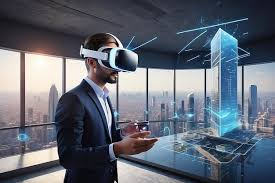
In the rapidly evolving landscape of modern business, leaders must continuously adapt and hone their skills to stay ahead. One of the most effective and innovative methods for achieving this is through virtual reality (VR) technology. Virtual Reality is transforming the way directives engage in skills training, offering immersive experiences that significantly enhance leadership capabilities. This article explores how VR is revolutionizing leadership development, providing directives with cutting-edge tools and platforms for unparalleled training innovation.

The Power of Virtual Reality in Leadership Training
Virtual reality offers a unique, immersive experience that traditional training methods cannot match. By simulating real-world scenarios, VR provides directives with a safe environment to practice and refine their management skills. This technology platform allows leaders to experience complex situations, make decisions, and see the consequences of their actions in a risk-free setting. Such immersive experiences are crucial for developing critical thinking and problem-solving abilities, which are essential for effective leadership.
Transformative Benefits of VR for Directives
1. Enhanced Engagement and Retention: One of the primary benefits of VR training is its ability to captivate users. Traditional training sessions can often be monotonous, leading to disengagement and poor retention of information. VR, on the other hand, offers an engaging, interactive experience that keeps directives fully immersed. This high level of engagement translates into better retention of leadership skills and concepts.
2. Real-Time Feedback and Adaptation: VR platforms can provide instant feedback, allowing directives to understand their strengths and areas for improvement immediately. This real-time feedback is invaluable for continuous learning and development. Leaders can adapt their strategies and techniques on the fly, leading to more effective skill acquisition.
3. Scalable and Cost-Effective Training Solutions: Implementing VR training can be more cost-effective than traditional methods in the long run. Once the initial setup is complete, the same training modules can be used repeatedly, reducing the need for frequent updates or additional resources. This scalability makes VR an attractive option for organizations of all sizes looking to invest in leadership development.
Key Applications of VR in Leadership Development
– Leadership Simulation: VR enables the creation of realistic leadership simulations where directives can practice handling various scenarios, from conflict resolution to strategic planning. These simulations help leaders build confidence and competence in a controlled environment.
– Virtual Learning: With the advent of VR, virtual learning has become more interactive and effective. Educational technology platforms leverage VR to create comprehensive training programs that cater to the specific needs of directives. These programs often include modules on communication, decision-making, and emotional intelligence.
– VR Executive Mastery: Tailored for high-level executives, VR executive mastery programs focus on advanced leadership skills and strategic thinking. These programs provide a deep dive into complex business challenges, enabling executives to fine-tune their approach and leadership style.
Case Studies: Success Stories of VR in Leadership Training
Several organizations have successfully integrated VR into their leadership development programs, witnessing remarkable results. For instance, a leading global consultancy firm implemented VR training to enhance its management skills training. The immersive experience provided by VR helped their directives improve decision-making abilities and manage teams more effectively.
Another example is a multinational corporation that used VR to simulate high-pressure situations for its executives. This training innovation allowed their leaders to practice crisis management and develop robust strategies for real-world application. The feedback from participants highlighted the effectiveness of VR in preparing them for unforeseen challenges.
Future Trends in VR for Leadership Development
As technology continues to advance, the future of VR in leadership development looks promising. Emerging trends include the integration of artificial intelligence (AI) to create more personalized and adaptive training experiences. AI-driven VR platforms can analyze a leader’s performance and customize training modules to address specific weaknesses and strengths.
Moreover, the rise of remote work has accelerated the adoption of virtual learning solutions. VR offers a viable alternative for organizations looking to train their directives without the constraints of physical location. This trend is likely to continue, making VR an indispensable tool for leadership development.
Conclusion:
Virtual reality is revolutionizing the way directives enhance their skills, offering immersive, engaging, and effective training solutions. From leadership simulations to VR executive mastery programs, the applications of VR in leadership development are vast and varied. By leveraging this innovative technology platform, organizations can ensure their leaders are well-equipped to navigate the complexities of the modern business world. Embracing VR for skills training is not just a trend; it’s a strategic move towards achieving long-term success.